Emergency Foundation Repair: What Homeowners & Small Businesses Should Do First
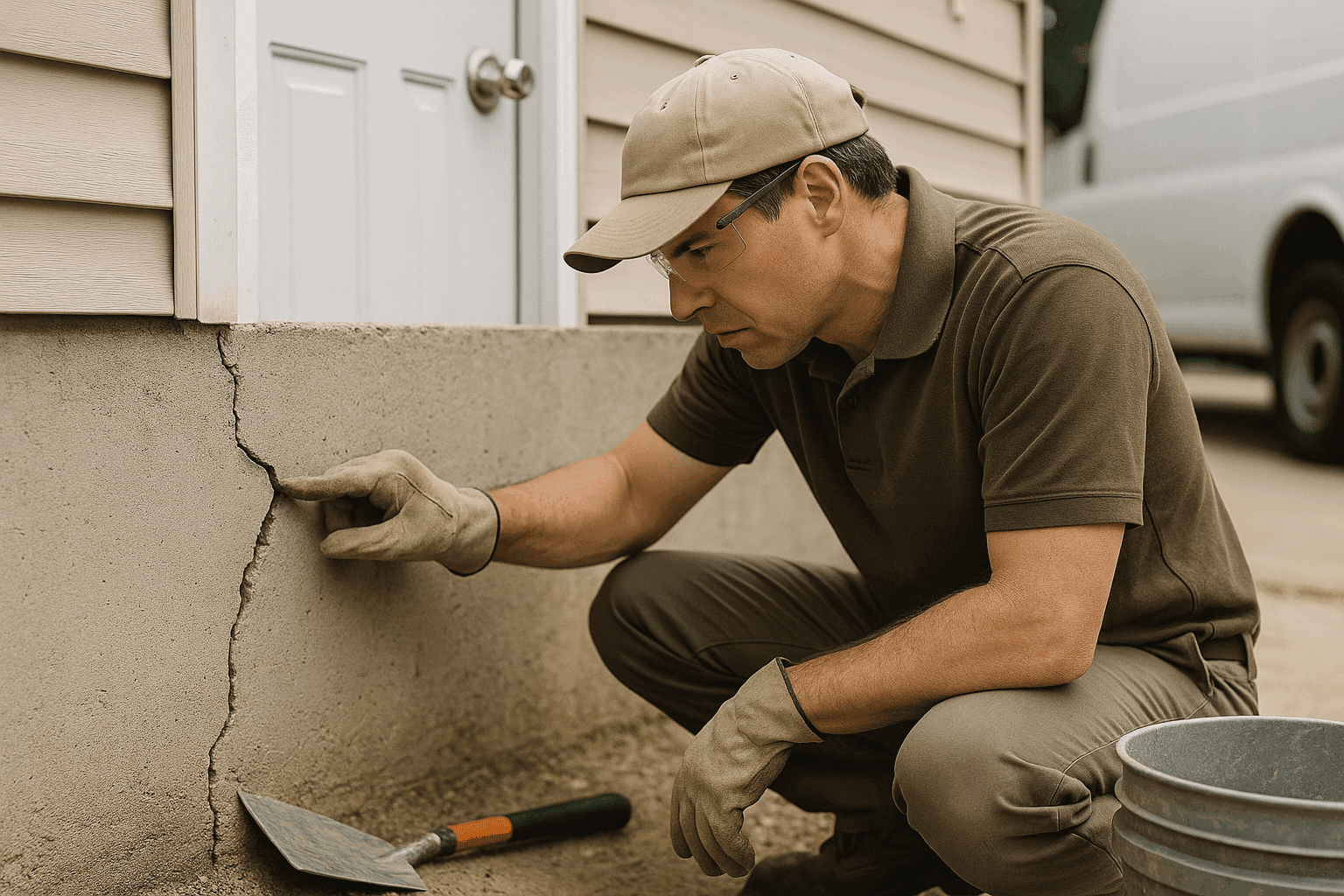
When your foundation suddenly shows cracks, water starts seeping in, or the walls seem to move overnight, panic can set in. Whether you own a home or run a small business, foundation emergencies strike fast and hard—often after storms, freezes, or heavy rains.
At USC Foundation, we know how overwhelming these moments feel. This guide will help you take the right steps, protect your property, and keep your loved ones safe while you wait for emergency foundation help.
Recognizing Foundation Emergencies
A foundation emergency doesn’t wait for business hours. It can arrive with a bang—a loud crack in the night, water flooding your basement, or doors that suddenly won’t close. Sometimes, it’s subtle: new cracks, sloping floors, or a musty smell that wasn’t there yesterday.
Common signs of a foundation emergency:
- Large or rapidly growing cracks in walls, floors, or ceilings
- Water intrusion after heavy rain or snowmelt
- Bowed or leaning basement walls
- Sudden sinking or shifting of the foundation
- Doors and windows that jam or won’t latch
- Gaps between walls and floors
- Unusual noises—creaks, pops, or shifting sounds
- Standing water in crawl spaces or basements
- Visible mold or mildew growth
These aren’t just annoyances. They can signal a serious risk to your property’s structure and safety.
Immediate Safety Measures 🛑
Your safety comes first. Before you worry about repairs, make sure everyone is out of harm’s way.
Quick Safety Checklist:
- Check for hazards: Look for exposed wiring, gas leaks (rotten egg smell), or flooding.
- Evacuate if needed: If you see major cracks, bowing walls, or structural movement, leave the area.
- Turn off utilities: If water is leaking or flooding, shut off power and water at the main.
- Keep children and pets away: Block off affected areas until professionals arrive.
- Do not enter flooded basements: Water and electricity are a dangerous mix.
- Document the damage: Safely take photos or videos for insurance and repair records.
If you suspect a gas leak or electrical hazard, call emergency services immediately. According to the National Fire Protection Association (NFPA), never attempt to move or repair damaged utilities yourself.
Temporary Mitigation Tips
Sometimes you need to buy a little time before help arrives. Small steps can limit damage and keep things from getting worse.
What you can do:
- Move valuables: Relocate furniture, electronics, and important items away from affected areas.
- Use towels or sandbags: Place them at entry points to slow water intrusion.
- Cover cracks: Duct tape or heavy plastic can temporarily block water from small cracks.
- Ventilate: Open windows (if safe) to reduce humidity and mold risk.
- Monitor changes: Keep an eye on cracks, shifting, or water levels and update your notes.
Avoid using over-the-counter sealants or fillers for large cracks—these are only temporary and can make professional repairs harder later.
DIY or Call a Pro?
It’s tempting to fix things yourself, especially when every minute counts. But foundation emergencies are like icebergs—what you see is only a small part of the problem.
When DIY is okay:
- Minor, hairline cracks with no water or movement
- Small leaks that can be mopped up
- Moving items to prevent water damage
When to call USC Foundation immediately:
- Large, widening cracks
- Water actively entering the basement or crawl space
- Walls bowing or leaning
- Floors sloping or sinking suddenly
- Mold growth after water exposure
Remember: quick fixes can sometimes make things worse. Foundation repair is a job for trained professionals with the right tools and expertise.
What USC Foundation Pros Do On Arrival
When our emergency foundation team arrives, the first priority is safety. Then, we get to work diagnosing and stabilizing the situation.
Here’s what you can expect:
- Assessment: Detailed inspection of cracks, water entry points, and structural movement.
- Documentation: Photos, measurements, and notes for insurance and repair planning.
- Stabilization: Temporary supports, water diversion, or pressure relief to prevent further damage.
- Repair Plan: Clear explanation of next steps, options, and timelines.
- Communication: We keep you informed, answer your questions, and coordinate with other emergency services if needed.
Our technicians follow guidelines from the International Code Council (ICC) and local building codes for every emergency foundation repair.
Prevention & Maintenance: Staying Ahead of Emergencies
A little preparation goes a long way. Like checking your smoke detector or winterizing your pipes, foundation maintenance can help you avoid disaster.
Tips for seasonal foundation readiness:
- Inspect your basement and crawl spaces every spring and fall.
- Clean gutters and downspouts to direct water away from your foundation.
- Grade soil to slope away from your home or business.
- Install sump pumps and test them before rainy seasons.
- Seal small cracks before they become big problems.
- Schedule regular professional inspections—especially after major storms or freezes.
The Federal Emergency Management Agency (FEMA) recommends annual checks for water intrusion and structural movement.
Costs & Time Factors
Emergency foundation repairs can range from quick fixes to major projects. The cost and time depend on the type and severity of the problem.
What affects the price and timeline?
- Extent of damage (cracks, water, structural movement)
- Type of foundation (slab, crawl space, pier and beam)
- Materials and equipment needed
- Access to the affected area
- Weather conditions
Small repairs might take a few hours. Major stabilization or waterproofing could require several days. Early intervention almost always means less damage and lower costs in the long run.
When It’s an Emergency
Not every crack is an emergency. But some situations need immediate attention to prevent bigger problems—or even danger.
Call for emergency foundation help if:
- You see sudden, wide cracks or gaps
- Water is pouring into your basement or crawl space
- Walls are bowing or leaning
- Floors feel unstable or are sinking quickly
- There’s a strong musty odor or visible mold after water intrusion
If in doubt, it’s better to be safe and get a professional opinion. Fast action can save your property and keep everyone safe.
FAQ: Common Emergency Foundation Questions
How do I know if a crack is dangerous?
Hairline cracks are common and usually not urgent. Cracks wider than a quarter-inch, or those that grow quickly, signal a bigger issue—especially if you see water or shifting.
Can I stay in my home or business during repairs?
It depends on the severity. For minor repairs, you may be able to stay. If there’s structural risk, evacuation may be necessary until stabilization is complete.
Will my insurance cover emergency foundation repairs?
Coverage varies. Most policies cover sudden damage from specific events (like a burst pipe), but not long-term settling. Document everything and check with your insurer.
How fast can USC Foundation respond?
We provide 24/7 emergency foundation response. Our team is trained to act quickly, assess the situation, and start stabilization right away.
Special Considerations for Emergency Foundation Repair
Every property is unique. Homes and small businesses have different needs, layouts, and risks. Basements, crawl spaces, and slab foundations all behave differently under stress.
Keep in mind:
- Commercial properties may require special permits or coordination with other contractors.
- Older buildings can have hidden issues—outdated materials, previous repairs, or code violations.
- Crawl spaces and basements are especially vulnerable to water and mold.
- Seismic activity or soil movement can cause sudden, severe shifts.
If you’ve recently bought a property, schedule a foundation inspection right away—even if you don’t see obvious problems.
Call USC Foundation now — or reach us anytime at 855-514-8853 . Your safety and your property matter. Don’t wait—get the help you need, 24/7.