How to Choose a Foundation Repair Company: Questions to Ask Before Hiring
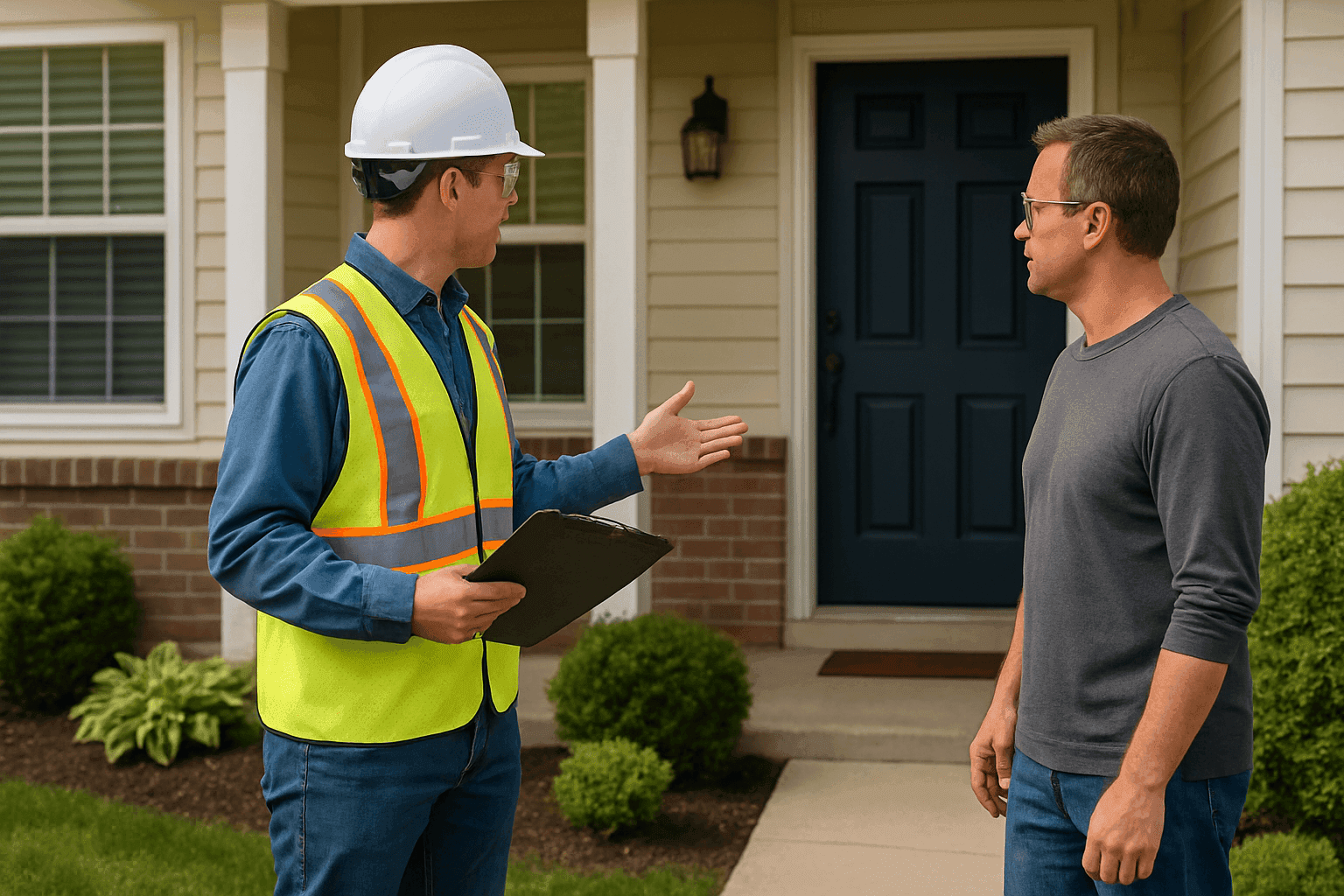
Cracks in your basement. Doors that won’t shut. Floors that tilt like a funhouse. When your foundation sends up warning flares, it’s easy to panic. But choosing the right foundation repair company shouldn’t feel like another headache on top of it all.
At USC Foundation, we know the stakes are high. Whether you’re protecting your family home or a commercial property, the right choice today can save years of stress and expense. Here’s your step-by-step guide—built from industry best practices and years in the field—to help you hire with confidence.
Why the Right Foundation Contractor Matters
A foundation is the backbone of any structure. Get it right, and everything stands tall. Get it wrong, and problems spread—like cracks in a windshield after one stone hit.
Subpar repair work can lead to water intrusion, structural shifts, or costly rework. Worse, it can put safety at risk. That’s why vetting your foundation partner is as important as the repair itself.
Quick Safety Checklist Before You Start 🏠
- Is the building safe to enter? If doors are stuck, walls are bowing, or water is pooling, pause and assess.
- Are there signs of immediate danger? Look for exposed wires, strong odors, or new mold.
- Have you documented the damage? Take photos and notes of visible cracks, uneven floors, or leaks.
- Is the area secure? Keep children and pets away from unstable sections.
- Do you know your local building codes? The International Residential Code (IRC) and Occupational Safety and Health Administration (OSHA) both set safety standards for foundation work.
If you’re unsure about safety, contact a professional before investigating further.
DIY vs. Calling a Pro: When to Get Help
Some things you can fix with a trip to the hardware store. Foundation problems aren’t usually one of them.
DIY may work for:
- Small, hairline cracks that don’t change over time
- Basic patching of exterior concrete (not structural)
- Clearing gutters or redirecting downspouts
Call a professional for:
- Cracks that widen, lengthen, or return after patching
- Uneven floors, sticking doors/windows, or bowing walls
- Water intrusion, persistent dampness, or mold growth
- Sinking, shifting, or settling slabs
- Any sign of structural movement
Remember: A solid foundation requires more than just filling gaps. It takes expertise in Concrete Lifting, drainage, structural supports, and more.
Credentials & Certifications: What To Look For
Would you trust your health to an unlicensed doctor? Your foundation deserves the same level of care.
Key credentials and certifications:
- Licensed in your state or municipality: This means the company meets minimum local standards.
- Insured (general liability and workers’ comp): Protects you if something goes wrong.
- Trained and certified technicians: Look for staff with training from organizations like the American Concrete Institute (ACI) or National Association of Waterproofing and Structural Repair Contractors (NAWSRC).
- Up-to-date on code and safety requirements: Familiarity with ICC (International Code Council) and OSHA rules matters.
- Membership in industry organizations: Shows ongoing commitment to best practices.
Tip: Ask for license numbers and proof of insurance. Reputable companies will provide these without hesitation.
Verifying Insurance and Licensing
Insurance isn’t just paperwork—it’s peace of mind.
- General liability insurance covers damage to your property during work.
- Workers’ compensation shields you from liability if someone’s injured on the job.
Ask for policy details and verify with the insurer. Licenses can also be checked with your local building department or contractor board.
Watch out for: Vague answers, expired documentation, or uninsured subcontractors.
Evaluating Reviews and References ⭐
A company’s reputation is like its foundation—built over time.
How to check:
- Read reviews on major platforms (Google, BBB, local review sites).
- Ask for references. Call at least two previous clients—one recent, one older.
- Look for repeat complaints about communication, missed deadlines, or poor cleanup.
- Notice how the company responds to negative feedback. Do they resolve issues, or ignore concerns?
A few negative reviews are normal. Patterns of problems are not.
Understanding Warranties—And What They Really Mean
Many companies offer warranties on foundation repair, but not all warranties are created equal.
Ask about:
- What’s covered? Is it just labor, materials, or both?
- How long does it last? Some warranties are limited, others “lifetime”—but read the fine print.
- Who honors the warranty if the company changes hands?
- What’s excluded? (e.g., floods, earthquakes, or shifting soil)
A clear, written warranty is a sign of a company that stands behind its work. But remember, even the best warranty can’t prevent all future issues—especially if underlying causes aren’t addressed.
Red Flags to Watch Out For 🚩
Some warning signs should stop you in your tracks.
- High-pressure sales tactics (“Sign today or lose the deal!”)
- No permanent business address or branded vehicles
- Unwillingness to provide credentials or insurance
- Vague, handwritten, or incomplete proposals
- Demands for large upfront payments
- Reluctance to perform an in-person inspection
- Offers to “work under the table” or skip permits
If something feels off, trust your instincts and keep looking.
Top Must-Ask Questions for Your Consultation
Bring this checklist to your first meeting:
- Are you licensed and insured for foundation work in my area?
- What is your experience with issues like mine (e.g., Concrete Lifting near you, pier and beam repair)?
- Will you provide a detailed, written proposal with scope, materials, and timeline?
- Who will supervise the project on-site?
- What steps will you take to keep my property safe and clean?
- Do you use subcontractors? If so, how are they vetted?
- Can you provide references from recent and older jobs?
- What warranty do you offer, and what does it cover?
- How do you handle changes or surprises during the job?
- What payment schedule do you require?
- Are permits necessary, and will you handle them?
Take notes. A reputable company will answer patiently and thoroughly.
The Importance of In-Person Inspections
You wouldn’t buy a car without seeing it. Foundation repair is the same.
A proper inspection means:
- Walking the property, inside and out
- Measuring cracks and checking for movement
- Testing moisture levels and drainage performance
- Looking for mold, mildew, and ventilation issues
- Reviewing blueprints or past repair records (if available)
- Discussing your concerns and observations
A thorough, on-site evaluation leads to a proposal that’s specific, accurate, and transparent.
Clear, Detailed Proposals: What to Expect
A professional proposal should read like a recipe, not a riddle.
Look for:
- Full description of the problem and recommended solution
- Breakdown of materials, methods, and equipment (e.g., helical piers, French drains, vapor barriers)
- Estimated timeline and project phases
- Safety and access considerations
- Clean-up and restoration plans
- Payment terms and warranty details
If anything is unclear, ask for clarification before signing.
How Reputable Companies Operate
The best foundation repair companies take pride in their process.
- Transparent communication: You’re informed at every step.
- Respect for your property: Drop cloths, daily clean-up, minimal disruption.
- Skilled crews: Technicians are background-checked and regularly trained.
- Ongoing support: After the work is done, questions are welcome.
Adherence to guidelines from the American Concrete Institute and the International Code Council is a strong sign of professionalism.
Comparing Providers: Your Foundation Hiring Checklist
- Verify licenses and insurance.
- Check reviews and references.
- Ask about relevant experience and training.
- Require a thorough, in-person inspection.
- Get a clear, written proposal.
- Understand the warranty—read the fine print.
- Watch for red flags and high-pressure sales.
- Compare answers to your consultation questions.
- Trust your instincts—don’t rush.
When Time Is of the Essence: Emergencies & Fast Action
Some foundation issues can’t wait. If you notice:
- Sudden, dramatic shifting
- Gaping cracks or collapsing walls
- Major water leaks or flooding
- Unexplained odors (mold, gas, or chemicals)
Act immediately. Evacuate if safety is compromised. Contact a foundation professional who offers emergency response services to assess and stabilize the structure.
What Pros Do On Arrival
When the foundation team arrives, expect:
- A walk-through of the property with you
- Careful measurement and documentation
- Use of moisture meters, laser levels, or soil probes as needed
- Honest conversation about what’s urgent and what can wait
- Respectful, clear discussion—no scare tactics
A trustworthy crew will treat your home or business like their own.
Prevention & Maintenance: Protect Your Investment
Foundation repairs can be costly. Maintenance can help you avoid them.
- Keep gutters and downspouts clear and directed away from the foundation.
- Address drainage issues early—French drains or sump pumps may help.
- Watch for changes in doors, windows, or floors.
- Schedule periodic inspections, especially after storms or seismic activity.
- Consider waterproofing, vapor barriers, or foundation coatings if you live in a high-moisture area.
Routine care is your best defense against future headaches.
Costs & Time Factors: What to Expect
No two projects are the same. Costs depend on:
- Severity and type of damage (crack repair vs. full underpinning)
- Size of the property
- Soil conditions and access
- Choice of solution (e.g., mudjacking, helical piers, drainage)
Timeframes can range from a single day for a minor repair, to several weeks for complex structural work. Permitting and inspections may add days or weeks.
Always get a written estimate and timeline before work begins.
Local & Seasonal Considerations
Foundations face different challenges depending on the climate and soil.
- Wet climates: Waterproofing and drainage are critical. Mold and mildew thrive in damp basements and crawl spaces.
- Dry or shifting soil: Settlement repair and soil stabilization may be needed.
- Seismic regions: Seismic retrofitting and structural reinforcement can protect against earthquakes.
- Older homes: Pier and beam foundations often require specialized care.
Ask the company about their experience with local soil, weather, and building codes.
Foundation FAQ: Your Top Questions Answered
How do I know if my foundation needs repair?
Look for cracks wider than a pencil, sloping floors, water in the basement, or doors that won’t close.
Will insurance cover foundation repairs?
It depends. Most standard policies exclude normal settling, but may cover sudden damage from plumbing leaks or storms. Check with your provider.
How long does foundation repair last?
Quality repairs, using the right methods for your soil and structure, should last for decades. Maintenance is key.
Do I need to move out during repairs?
Usually, no. For major jobs or if safety is at risk, temporary relocation may be recommended.
Don’t Gamble With Your Foundation—Choose Wisely
Your home or business deserves the strongest foundation possible. Take your time. Ask questions. Insist on clarity and professionalism.
Ready to take the next step?
Call USC Foundation now — or reach us anytime at 855-514-8853 .